


Local reactors chosen to speed up projects
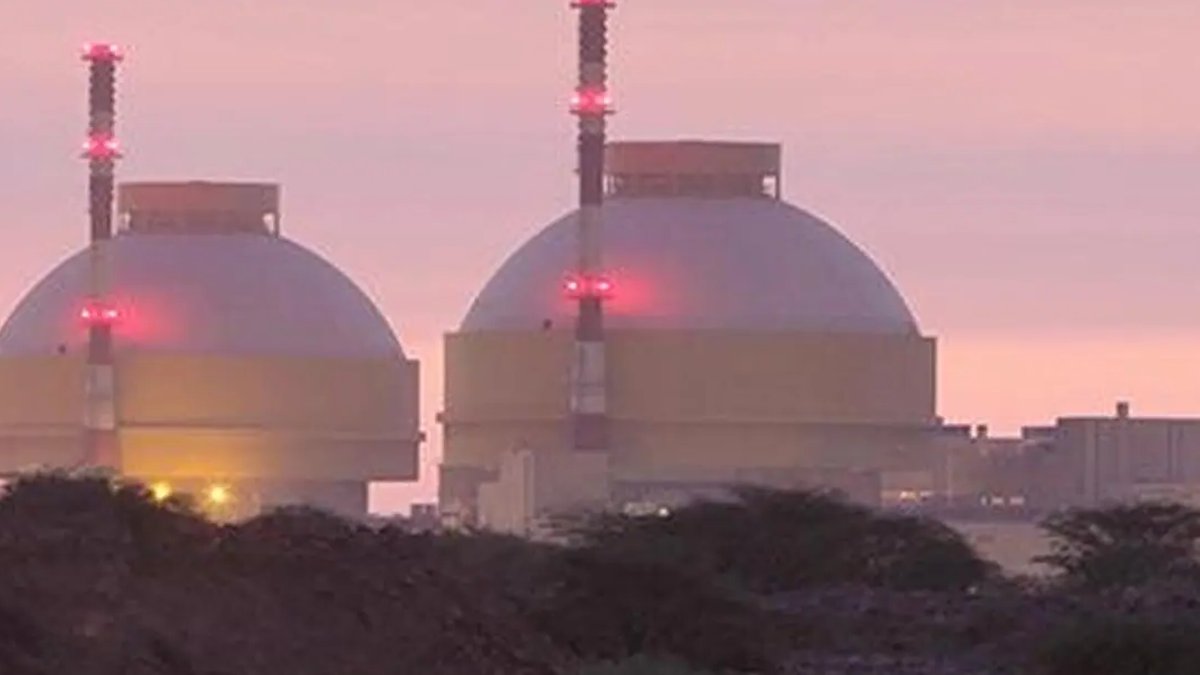
India’s biggest utilities plan to rely on locally-designed large nuclear reactors to fast-track projects in a sector plagued by delays and cost overruns. Companies including the Adani Group, Jindal Steel Ltd., and state-run NTPC Ltd. said they would initially deploy Indian-made pressurised heavy water reactors to speed up regulatory approvals and benefit from an established supply chain.
Vivek Sharma, business head at Adani Atomic Energy, said “In India we have the advantage of a 700 megawatt design that’s already standardised and operational.” Most importantly, the supply chain underpinning the technology is fully domestic, he said at the BNEF Summit in New Delhi.
The government opened the strategically sensitive nuclear sector to private firms last year, supporting the goal of expanding generation capacity eleven-fold to 100 gigawatts by 2047. Currently the atomic sector supplies just 3% of India’s electricity, with persistent delays and steep cost overruns having stymied expansion for decades.
Related: India boosts local medical device production
The Department of Atomic Energy earlier this month issued the draft rules for private companies to build nuclear plants, ending decades of dominance by state-owned Nuclear Power Corp., which operates India’s entire 8.8 gigawatts of atomic capacity. They are now allowing private companies to participate in the sector.
Delays in construction lead to cost overruns and increase the price of electricity threatening a project’s viability, said Naveen Ahlawat, president and head of decarbonization at Jindal Steel Ltd.. The company’s first pair of reactors would most likely be 700-megawatt domestic reactors, although Jindal Steel is exploring other technologies from potential partners including Russia’s Rosatom and Electricite de France.
NTPC is targeting 30 gigawatts of nuclear capacity by 2047 to help decarbonise its coal-heavy fleet. Almost 80 per cent of the company’s planned capacity will use the large pressurised water and heavy water reactors, said NTPC’s Director Projects K. Shanmugha Sundaram at the conference, adding that the Indian heavy water technology is the cheapest as of now.
Related: Spreadsheet Eeyores Clash with Tigger‑like Storytellers
In his August 15 Independence Day speech, Modi said that India aims to start five reactors within six to seven years. Billionaire Gautam Adani has already announced plans for 10 gigawatts of nuclear capacity, while Mukesh Ambani’s Reliance Industries Ltd. signed a preliminary agreement to invest 2 trillion rupees in atomic projects in Maharashtra.
With the draft rules for private companies to build nuclear plants now in place, the sector is poised for significant growth and expansion in the coming years.


