


Consumer Affairs Secretary says onion buffer stock good
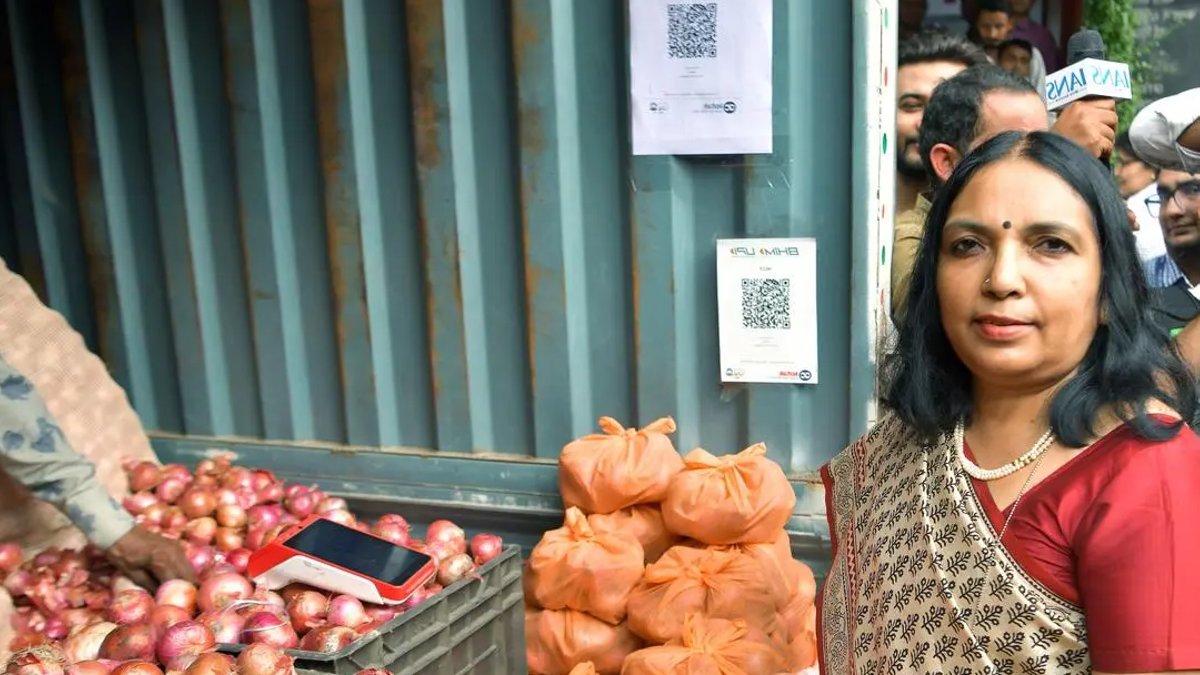
The government says the onion buffer stock is in good condition, according to the Consumer Affairs Secretary. Nidhi Khare told reporters on Friday that the Central Warehousing Corporation is now handling storage, a shift from previous years when traders kept the reserve. She said a third‑party agency checks the quality regularly, countering claims that a large portion of the 1.21 lakh‑tonne reserve had rotted.
New storage arrangement aims to extend shelf life
Unlike earlier cycles, the Central Warehousing Corporation was tasked with keeping the commodity, and an independent assessor conducts periodic inspections. The secretary explained that the vegetable is about 90 percent water and can stay fresh for roughly three months after harvest; after that, moisture evaporates and the bulbs shrink. She added that the condition of the stock depends heavily on ventilation and temperature control.
Most of the reserve was bought in June and July, after a smaller purchase in May. Because of the timing, officials expect a higher recovery rate this year—about 72 percent, up from 49 percent in 2022 and 54 percent the year before. Procurement is carried out by agencies such as Nafed and the National Commodity and Futures Federation.
Related: Goyal seeks Japanese investment in Indian manufacturing
Rail logistics aim to ease regional prices
The government is moving the reserve in bulk using a dedicated rail service dubbed “Kanda Express.” A recent shipment of 453 tonnes arrived in Delhi, with similar consignments headed for Chennai, Madurai, Ernakulam and Guwahati. The move is intended to boost supplies in the capital region and surrounding cities, which should help lower retail prices within a week.
Khare noted that wholesale rates in Nashik have begun to fall after the initiative. It was unusual, she said, that the wholesale price in the producing hub was Rs 44 per kg on Aug 24, while the retail price in Delhi was Rs 25 per kg the same day. She added that Rajasthan and Madhya Pradesh are slowly becoming key suppliers for northern markets, and that there should be no shortage.
Retail onion prices in Delhi surged 88 percent to Rs 62 per kg on Thursday, compared with Rs 33 per kg a year earlier. The all‑India average retail price stood at Rs 46.58 per kg, while the wholesale rate was Rs 38.29 per kg. Despite the spike, the secretary said availability remains comfortable for the coming months, supported by an estimated 2025‑26 production of 307.37 lakh tonnes, roughly matching the previous year’s output.
Related: Flood Re trials certificates for new homes
In comparison with past cycles, the current approach mirrors a broader trend of moving strategic reserves into public‑sector warehouses to improve oversight. Historically, storing with private traders often led to inconsistent quality checks, which sometimes sparked market speculation. The shift to a government‑run system could reduce those uncertainties, though it will depend on how rigorously the third‑party assessments are applied.
Khare also addressed concerns about weather impacts. She said the kharif onion outlook looks positive now that the El Niño scare has passed, and irrigation improvements have boosted water levels in major reservoirs. She reassured that the rabi crop should not suffer from the same risks.
Overall, the combination of newer storage methods, rail distribution and steady production aims to keep the market supplied. Officials will continue to monitor prices and stock levels as the season progresses.


