


mRube natural rubber trade hits ₹1,000 crore
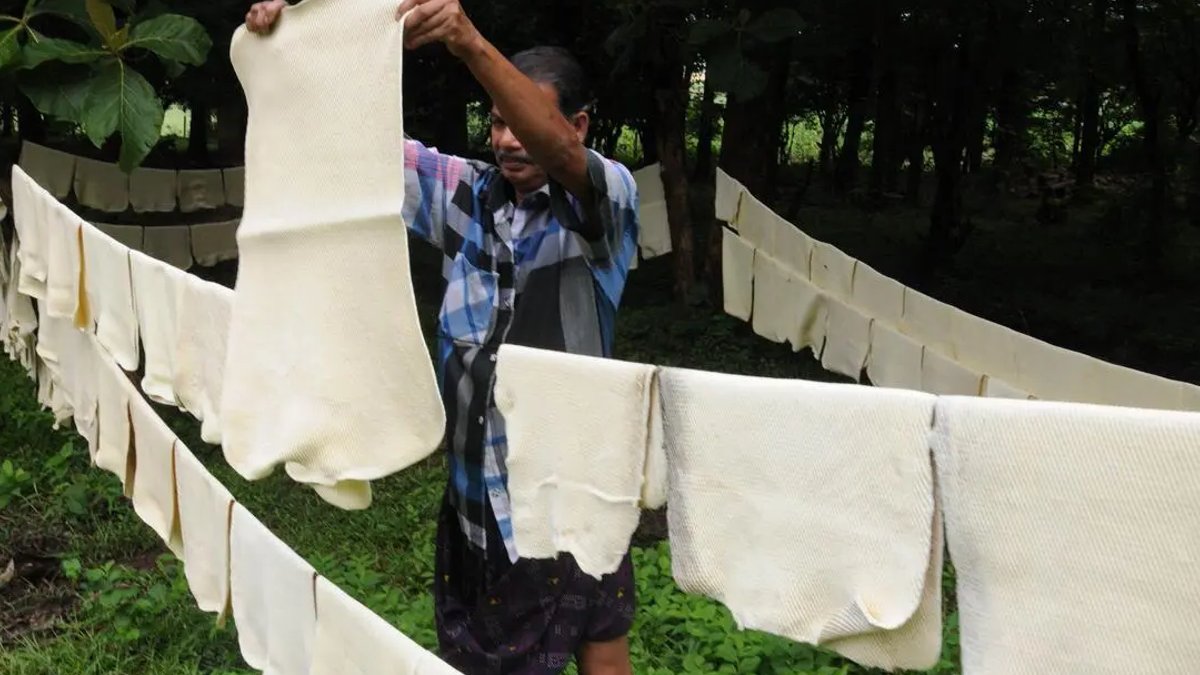
The electronic trading platform mRube, launched in June 2022 by the Rubber Board, has hit a significant milestone, crossing a turnover of ₹1,000 crore. In just over a year, the platform has facilitated the trade of 59,538 tonnes of natural rubber across various grades and forms, including RSS, ISNR, and latex.
Growing Trade Volume and Value
During the financial year 2025-26, mRube recorded trade of 15,647 tonnes valued at around ₹287 crore. In the current financial year, up to July 2026, the platform has facilitated trade of 6,947 tonnes worth ₹171 crore. This represents a substantial increase in both the volume and value of natural rubber traded electronically.
Benefits for Stakeholders
Binoy Kurien, Deputy Director of Marketing at the Rubber Board, highlights the benefits mRube brings to stakeholders. The platform enables dealers, sellers, processors, and buyers to access markets beyond their traditional geographical networks. Sellers can reach a wider national buyer base, while buyers can source rubber from different producing regions and compare offers, improving market information and price discovery.
“The platform has benefited stakeholders in Kerala, Karnataka, Tamil Nadu, and the northern states,” Kurien said. “It enables buyers and sellers from different parts of the country to participate in a common market, with wider market access, competitive price discovery, secure payment mechanisms, and formal electronic contracts.”
One notable impact is in the northeastern region, particularly Tripura. Geographical distance and limited local buyer networks traditionally constrained rubber trade in the region. However, with mRube, major consumers and dealers can now source rubber directly from Tripura without establishing offices or deploying staff in the region.
The growing participation of stakeholders from both producing and consuming regions shows mRube’s potential to integrate geographically dispersed rubber markets. This integration is expected to strengthen a transparent, efficient, quality‑oriented, and nationally integrated natural rubber marketing system.
Related: Odisha reviews ARISE project for coastal resilience
Beyond the geographic reach, the platform’s electronic contract mechanism records the agreed quantity, price and other transaction conditions in a formal, immutable format. By moving away from oral agreements, the system curtails the uncertainties that historically plagued transactions, especially during periods of sharp price volatility. This contractual clarity is paired with secure payment gateways that safeguard both parties against defaults, reinforcing confidence in digital trade.
Because every trade is logged in a centralized ledger, market participants gain real‑time visibility into pricing trends across grades and regions. Such transparency helps sellers set realistic expectations and enables buyers to benchmark offers, supporting a more competitive environment. The organized digital marketplace also streamlines administrative procedures, reducing the time and paperwork required to finalize deals.
Stakeholders in traditional rubber hubs such as Kerala and Karnataka have reported that the ability to tap into a national pool of buyers reduces reliance on local intermediaries. Likewise, processors in Tamil Nadu can now source raw material from distant producing states without the logistical overhead of physical outreach, thereby optimizing supply chains and lowering procurement costs.
In the northern states, where demand for natural rubber is driven by automotive and industrial sectors, buyers appreciate the platform’s capacity to compare multiple offers instantly. This rapid comparison not only accelerates decision‑making but also contributes to more balanced price formation across the country.
The cumulative effect of these features is a shift toward a market that values consistency, traceability, and fairness. By linking producers, dealers, processors and end‑users on a single digital interface, mRube is laying the groundwork for a national rubber ecosystem that can respond swiftly to global supply‑demand trends while preserving the interests of all domestic participants.


