


Court okays Oil India drilling plea
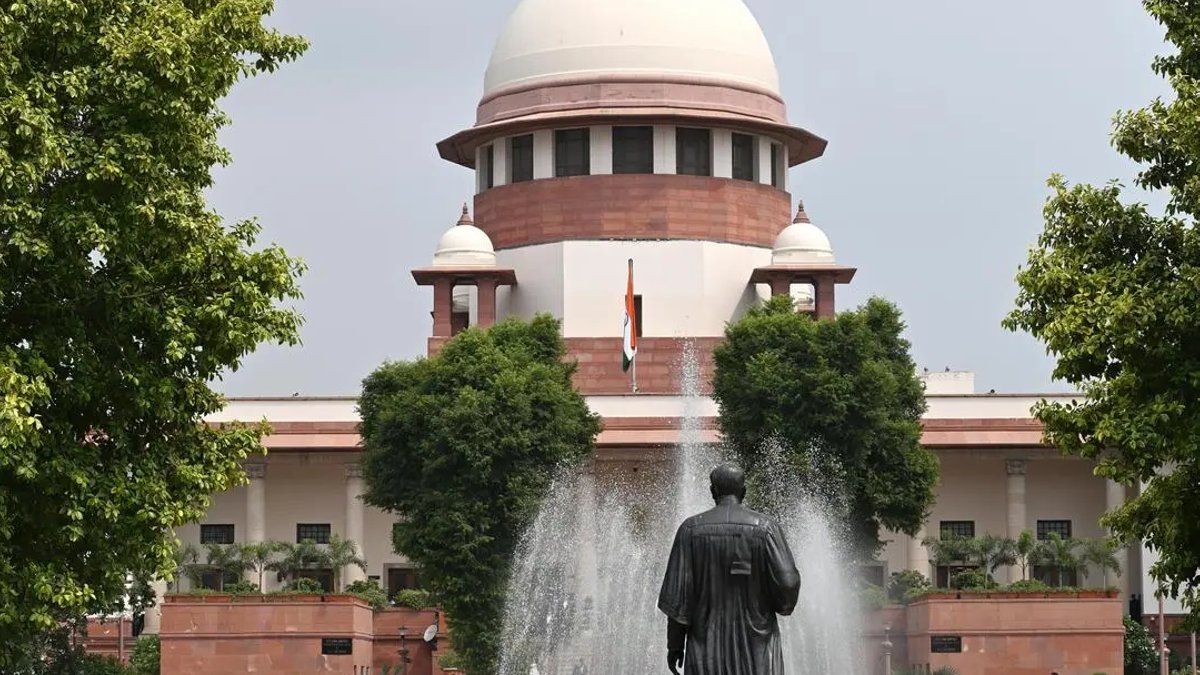
The Supreme Court has permitted Oil India to file a fresh plea seeking to overturn the rejection of its proposal for Extended Reach Drilling (ERD) linked to hydrocarbon extraction beneath Assam’s Dibru-Saikhowa National Park.
A bench comprising Chief Justice Surya Kant and justices Joymalya Bagchi and V Mohana was urged by senior advocate Rakesh Dwivedi to list the plea for hearing, citing its urgency.
Dwivedi argued that the area is on the fringes of a national park, and all permissions have been granted, but the government considers itself bound by a 2023 order of the court banning mining.
The application has been filed in a pending case titled TN Godavarman Thirumulpad vs Union of India of 1995, a landmark piece of litigation that has played a role in shaping forest conservation and environmental jurisprudence.
Dwivedi highlighted the urgency of the matter, stating that the proposed project is important to the country’s energy requirements, concerning nearly three per cent of the country’s oil requirement.
Related: Oyster to invest ₹85B in 1-GW renewable portfolio
The CJI said that if there was a fresh cause of action, the applicant could file a new petition, and the registry cannot list the interlocutory application due to an earlier direction.
Oil India has challenged the Forest Advisory Committee’s decision and the subsequent action of the Ministry of Environment, Forest and Climate Change (MoEFCC) refusing approval for the diversion of 0.069 hectares of forest land for the project in Tinsukia district.
According to Oil India, hydrocarbon exploration and production through ERD cannot be equated with conventional mining, as oil and gas operations are governed by a separate legal and regulatory framework.
They have submitted that ERD involves drilling from pads located outside the protected area to access hydrocarbon reservoirs several kilometres below the surface.
Oil India said that the proposed drilling would target hydrocarbon deposits at depths of around 3,500 to 4,000 metres beneath the Dibru-Saikhowa National Park, while the drilling infrastructure would remain outside the park boundary.
Related: Pet Insurance Model Faces Growing Pains
Given the court’s decision to allow Oil India to file a fresh plea, it is possible that the company may be able to move forward with its proposal, although the outcome is still uncertain.
The company’s argument that ERD is distinct from conventional mining may be a key factor in the court’s decision, as it could impact the interpretation of the 2023 order banning mining within national parks.
As the case progresses, the court will need to balance the country’s energy requirements with the need to protect the environment and conserve natural resources, a task that requires careful consideration of the potential consequences.
The bench permitted the withdrawal of the interlocutory application with liberty to file a fresh petition.
It is a significant development.

Oyster to invest ₹85B in 1-GW renewable portfolio

Roborock launches home-to-pool cleaning ecosystem at IFA
Related Articles


 Consulting Notes