


Rentomojo Targets Growth as Rental Assets Generate Repeat Revenue
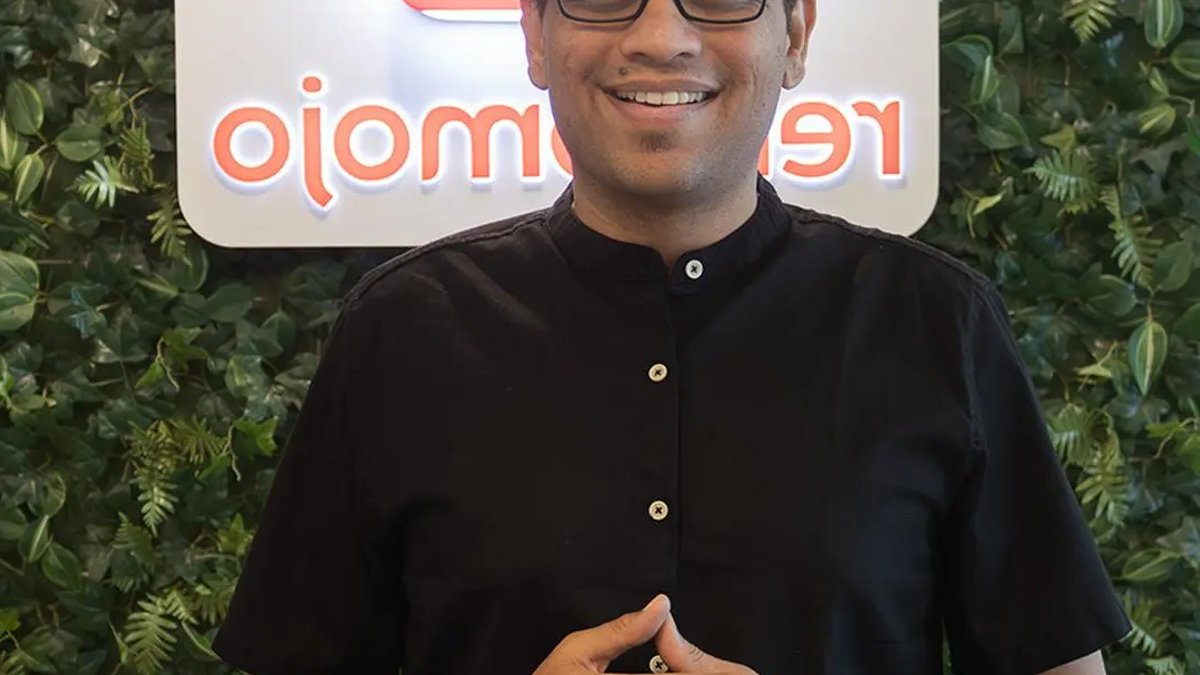
Rentomojo is preparing for a public listing, filing documents for a ₹1,256-crore initial public offering that opens on September 9. The company plans to raise ₹150 crore through a fresh issue, alongside an offer for sale of ₹1,106 crore, which values the business at roughly ₹4,246 crore. While the listing itself draws attention, the core of Rentomojo’s business model centers on the lifecycle of its inventory. The company’s red herring prospectus reveals that assets acquired in FY2017 have generated 5.12 times their original cost in revenue through refurbishment and redeployment. Chairman and Managing Director Geetansh Bamania has described this as a mechanism to extract value from a single asset across multiple customer cycles.
Asset efficiency and the IPO strategy
The company’s asset occupancy rate sits between 83 and 84 per cent, a figure Bamania identifies as a “sweet spot.” Pushing occupancy higher risks depleting inventory, while maintaining higher levels ties up capital in under-utilised stock. Operating revenue grew 45.5 per cent to ₹387 crore in FY26, with profit after tax more than doubling to ₹104.3 crore.
Rentomojo operates as a “front-ended cash flow business,” meaning delivery, repair, and maintenance costs occur upfront when an asset is deployed, creating pressure on EBITDA margins during rapid expansion. Managing director Geetansh Bamania has clarified that the company did not have a primary need for capital, noting that the IPO proceeds will be used to reduce the cost of capital by repaying higher-cost debt.
Despite a subscriber base of 2.54 lakh across 29 cities, revenue is heavily concentrated. The top 10 cities account for 89.51 per cent of operating revenue, with 98.19 per cent of total income derived from furniture and appliance rentals. This geographic density helps Rentomojo maintain asset economics, but the strategy faces a structural hurdle. Moving into newer markets like Indore and Lucknow requires replicating this efficiency without significantly increasing inventory, warehouse, and logistics expenses. The fresh capital from the IPO will allocate ₹70 crore toward debt repayment and ₹42.5 crore toward lease rentals and license fees for warehouses and experience stores, with the remainder designated for general corporate purposes.
Customer acquisition and market expansion
Bamania argues there remains significant headroom in established markets such as Bengaluru, Delhi-NCR, and Hyderabad, noting that awareness of rental as an alternative to ownership is still low. The company is expanding into secondary cities partly by following its existing customer base as they relocate. For a business fundamentally built around renting physical goods, the sustainability of this model relies less on the initial sale of a subscription and more on the company’s ability to manage the asset’s return journey.
Historically, many consumer subscription services struggle to control the cost of goods sold as they scale, often relying on aggressive customer acquisition to offset rising inventory carrying costs. Rentomojo’s approach attempts to decouple growth from inventory accumulation by focusing on asset turnover. The IPO proceeds will reduce the company’s cost of capital, but the long-term viability of the business depends on maintaining that turnover rate as it expands into less dense markets. For a business built around renting out physical goods, the growth story, then, is as much about what happens after the first rental as it is about finding the next customer.


